

COVID-19: Shaken, not stirred
In lieu of it being National Alcohol Awareness Month, I thought it would be cheeky to use a mixing analogy to speak to the changes due to COVID-19. Little did I know, however, when I started to research this phrase that its history originated with James Bond. Who doesn’t love a little James Bond montage starting with Sean Connery? You can go down the Google rabbit hole of reading more of the reason why James Bond supposedly requested dry martinis “shaken, not stirred” over the years, but what I found more interesting in it all was what the actual phrase meant.
According to Collins Dictionary the way this phrase reads is:
“If you say that someone has been shaken but not stirred by an experience, you mean that they have been slightly disturbed or emotionally affected by it, but not deeply enough to change their behaviour or way of thinking.”
Although I’d like to say I’m shaken by the impact of COVID-19 in my professional and personal life, the reality is that it’s most likely been stirred. I think mid-February I might have said I was “shaken but not stirred” and yet with it being the end of April, I have been emotionally affected by this to deeply change my behavior and way of thinking. COVID-19 has made its imprint on me, and the world. This is not something we’ll be able to just move on from. Returning to normal is not a thing, as normal is different.
We will eventually return to being less careful. We will return to a time of enjoying entertainment unphased. We will return to a life of imbibing that feels carefree and lighthearted. Yet, in the back of our minds we will be reminded that we have been stirred, not shaken by COVID-19.
For questions or comments contact Joanna.

Hang in there
This saying is growing old, fast. I’m not viewing this expression as equivalent to saying “I’m fine” when someone asks you how you’re doing. I’m not annoyed in the fact that I keep using it and can’t seem to find anything else that would be appropriate. Both responds are generic and mask one’s true feelings. Being home for over four weeks now has be on autopilot answering new and old acquaintances alike. So, it got me thinking. What else can we really be saying to switch up the humdrum?
First, it’s important to highlight the definition of what it means to “hang in.” According to the Cambridge Dictionary, it is
said as a way of telling someone to not give up, despite difficulties
In reading this, it does remind that we are certainly experiencing difficulties. Trying to not give up hope (and our sanity) despite the COVID-19 pandemic does seem somewhat uplifting. It’s still being overused. I was reading through other idioms though too. What if we tried on to keep on trucking, to push forward, or to continue weathering the storm? Ironically, I was using the expression “business as usual” during the first two weeks. Then when my time came and went for when I was supposed to be traveling for work, it no longer became business as usual. I might try on pushing on for size and see how that feels. If it doesn’t sit well, I can be certain that I’m not going back to using hang in there. That idiom is forever dead to me.
I’m so curious what other people are using, if anything at all, as an automatic response to describing how one is doing. These are difficult times, and they’ll continue to be moving forward. Stay the course. We can get through this. Remain positive. Find solace in slowing down. There is no room for anxiety and worry right now, as there is only so much that is in our individual hands. Take care of yourself, and do your part.
For questions or comments contact Joanna.

Embrace Boredom
Thanks to tech, we rarely let our minds sit. If we aren’t watching tv, we’re on our computers for work, emailing, or watching shows. If we aren’t doing that, we’re gaming, or just doom scrolling on our phone. According to The Comfort Crisis (by Michael Easter), the average American spends 12 hours on tech. I personally think this is an underestimation of use. As I write this article, all I can think about is how from the time I wake up until when I go to bed, I’m accessing tech somehow: updating my website, emailing a client, on a phone call with a therapist, checking from OnX for my morning hike, or the weather and wind app. When my husband gets home, I often Google recipe ideas and refer to my phone while I’m making a meal. It never ends. Is this about disclosure of my own routine and tech overuse? Not necessarily, yet it is to highlight that we use tech all too much. We need to learn to be bored, especially young adults.
Leaning into the world we’re in right now, it’s especially hard to be okay with boredom. Often, the number one complaint I hear from parents when they speak with their child who’s recently enrolled in a program (whether it be for mental health treatment or even a supportive gap year), is that their child is bored. We need to give them more to do because the parent’s are uncomfortable with their child complaining about being bored. Pump the brakes. We need to experience boredom so we can self-initiate to change our situation. If we complain about said boredom though, and it gets fixed for us, we’ll forever be not okay when (not if) you find yourself in a situation where you’re bored.
What are some benefits of boredom?
Lower stress
Increased productivity and creativity
More presence
You need unstimulated time to let your mind wander.
Life is a culmination of what we pay attention too.
The list above demonstrates that boredom is actually important for us, especially for young adults. If you’re a parent reading this, re-read it again. Let this sink in. Fully comprehend how important giving space and letting your child figure it out on their own if they’re bored will be. Remember the benefits, and repeat them to yourself if that will help you feel okay with your kid not feeling okay. They’ll work through it, especially if you let them.
For questions or comments contact Joanna.
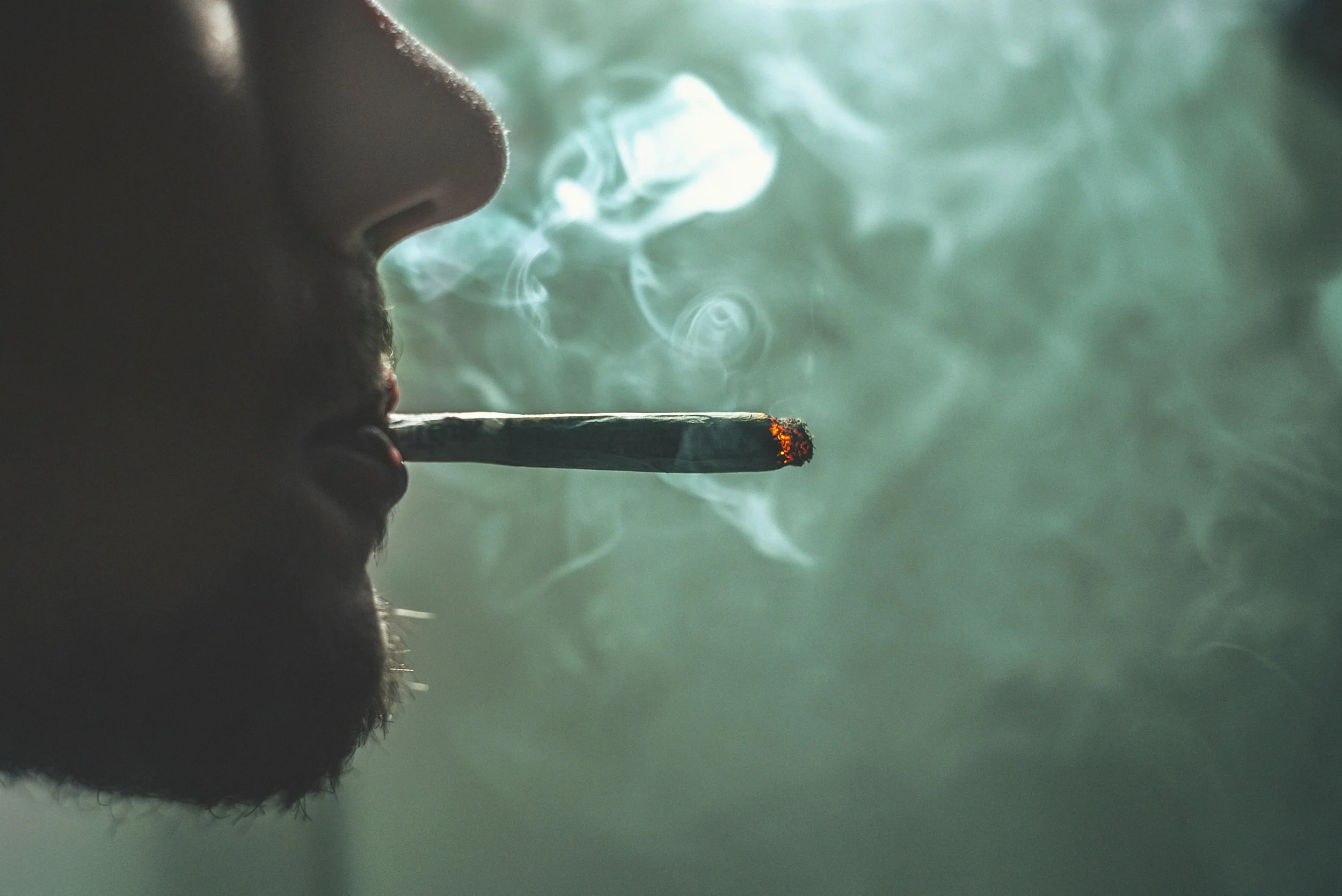
When Use Becomes Abuse
Unless something obvious happens (lost job, DUI, breakups, etc.), it’s hard sometimes to know when substance use becomes substance abuse. If you are a parent of a young adult, this is an especially grey really area and often it can feel like you’re walking on eggshells. You don’t want to be too lax in letting your young adult use and get injured, and in the same breath, you also don’t want to be overly concerned. It’s a tricky dance. But I recently learned the best way to really get down to brass tacks when it comes to getting to the root of use, and also knowing indicators of a true substance use disorder. That, and believe that what you’re seeing is likely not something that will just “go away” on it’s own.
First, to meet criteria for a “mild” substance use diagnosis, you only need the presence of 2-3 symptoms out of a list of about 10. Here are some common symptoms we might be referring to (not limited to one substance):
Substance used in larger amounts or over a long period of time than was intended
There is a persistent desire or unsuccessful efforts to cut down on use
A great deal of time is spent in activities necessary to obtain said substance
Craving, or strong desire or urge to use
Recurrent use resulting in a failure to fulfill major role obligations like work, school, or home.
Continued use despite having persistent or recurrent social or interpersonal problems caused or exacerbated by use
Recurrent use in situations that are physically hazardous
Continued use despite knowledge of having persistent or recurrent physical or psychological problems likely caused or exacerbated by use
Tolerance increase (a need for increased amounts of substance to achieve desired effect)
Characteristic withdrawal based on corresponding substance.
Where did I find all this? The DSM. Go look it up. To meet criteria for a “moderate” level of a substance use disorder you only need 4-5 of the above symptoms. And for it to be “severe” you need the presence of 6 or more. I’m not just talking about cannabis or alcohol, I’m referring to tobacco, caffeine, hallucinogens, inhalants, opioids, stimulants, and sedatives. If you don’t know what your young adult is taking, ask. Figure it out. And then educate yourself on how those substances impact their developing brain.
I’m seeing more and more young adults that meet moderate or severe criteria for a substance use disorder. More often than not, it’s cannabis. This is not to be taken lightly. If you are a parent and read through that list and panicked about your child’s use, consider getting connected and trained in CRAFT. This will help you better navigate how to have conversations with your child and invite them to get help. Once you’re trained, then asking the deeper question around “why” is going to help bring attention to you and your child on what they need.
“What’s the ‘why’ behind your use?” What drives you to use is what also differentiates it from being a problem. If you’re going to have a beer because you’re 21 and you want to hang out with your friends – that may not be a problem. If you’re 19 and you drink a 12-pack alone because you just got dumped – that is a problem. If you started smoking weed because it was helping your anxiety at 15, but now you’ve increased your use (because of your tolerance) to the point where you are experiencing paranoia and potentially psychotics symptoms at age 21 – that’s a major problem. And if they’ve overdosed even once, don’t minimize the situation. The likelihood it’ll happen again is high. The next time around, they may not survive.
Parents, don’t walk, run to get your young adult the help they need to shut this use down before it becomes abuse.
For questions or comments contact Joanna.